A bizarre moment unfolded in the CBA, as Tongxi chose not to foul despite trailing by just one point in the closing moments. The decision sparked major controversy, with fans lashing out at head coach Wang Shilong, raising questions and even calling for his dismissal.
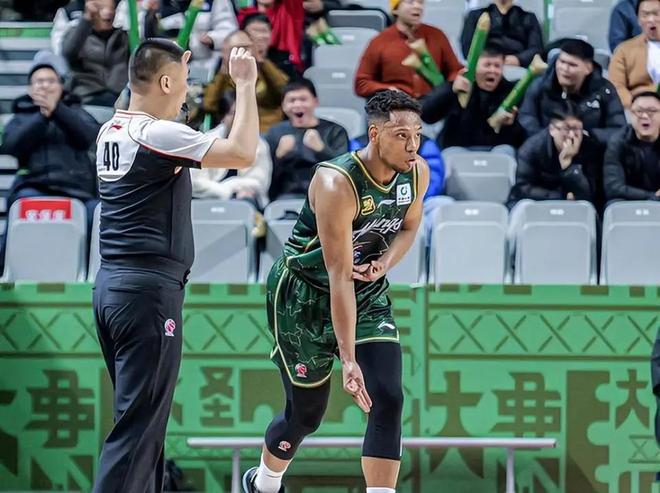
What unfolded in these two games offers a striking contrast—not just in performance, but in mindset and decision-making.
Game 1: Shenzhen vs Guangsha — A model of competitive execution
Shenzhen delivered a dominant performance at home, overwhelming Guangsha on both ends of the floor.
- Led by as many as 28 points
- Maintained control throughout
- Won comfortably by 15
This was a textbook example of how a team should approach a game:
👉 high intensity
👉 clear execution
👉 strong intent to win
There was no ambiguity—Shenzhen played to finish the game early and decisively.
Game 2: Tongxi vs Ningbo — A breakdown in late-game logic
In contrast, Tongxi’s loss to Ningbo raises serious questions—not about talent, but about decision-making.
Despite trailing by just 1 point with 25 seconds remaining, Tongxi:
- did NOT foul immediately
- did NOT apply defensive pressure
- allowed Ningbo to drain the clock
Only with 3 seconds left did they commit a foul—far too late to realistically recover.
Why this is problematic
In modern basketball strategy, this scenario is well understood:
👉 Down 1 point
👉 Limited time
The correct approach is to foul early, extend the game, and maximize possessions.
By delaying the foul, Tongxi effectively:
- reduced their own offensive opportunity to near zero
- surrendered control of the game outcome
This is not just a mistake—it’s a structural failure in game management.
Pattern, not coincidence
What makes this more concerning is repetition.
In a previous game against Beijing, Tongxi faced a similar late-game situation—and again chose not to foul.
This suggests:
👉 not a one-off decision
👉 but a recurring tactical approach
Final takeaway
These two games highlight a fundamental truth in competitive sports:
- Talent wins moments
- Decisions win games
Shenzhen executed both.
Tongxi, unfortunately, did neither when it mattered most.